Situated on the far northwest corner of Cyprus, near the mouth of the ancient Chrysochous River, on Chrysochous Bay, Polis Chrysochous is a village with extensive ancient ruins. It's also the gateway to the large nature preserve on the Akamas Peninsula. It is one of the most scenic corners of Cyprus.
Originally one of the 10 ancient city-kingdoms on the island, Polis Chrysochous was founded in the 7th century, BC. Marion, as it was then called, is mentioned in the writings of Strabo (64 BC- 24 AD) and Pliny the Elder (23-79 AD). The first verifiable mention of the place was in 449 BC, when Kimon, the Athenian general, fought to free it and other places in Cyprus from Persian rule.
The gold and copper from the nearby Limni Mines enriched the small kingdom, making it one of the most important on Cyprus. It traded extensively with Athens, Corinth, and the islands of the Aegean. The nearby city of Arsinoe, so close to Marion that the two places are sometimes conflated, was founded after Ptolemy I Soter, heir of Alexander, destroyed Marion in 312 BC and deported its citizens to Paphos, 35km away. The city was re-founded by Ptolemy's son, Ptolemy II Philadelphius, and re-named Arisnoe after his wife (and sister). It was eventually re-named Poli Chrysochous because of the nearby gold mines ("chrysos" means "gold"). The city existed until about 1,000 AD, at which time repeated raids by Arabs forced the population inland.
Cyprus did well under the rule of the Lusignans, French nobles who had been ruling Jerusalem and were displaced by the Muslims, at which time they bought Cyprus from its recent conqueror Richard the Lionhearted, and then came under Muslim rule in 1571. The British came in 1878, and Cyprus achieved independence in 1960.
Extensive digs have been conducted in the area over the last 30 years, turning up a trove of artifacts, some of which are housed in the Marion-Arsinoe Archeological Museum in Polis. On the coast about 3km from Poli Chrysochous is Latsi, the harbor for the village, which has accomodations and some nice beaches.
The Akamas Peninsula
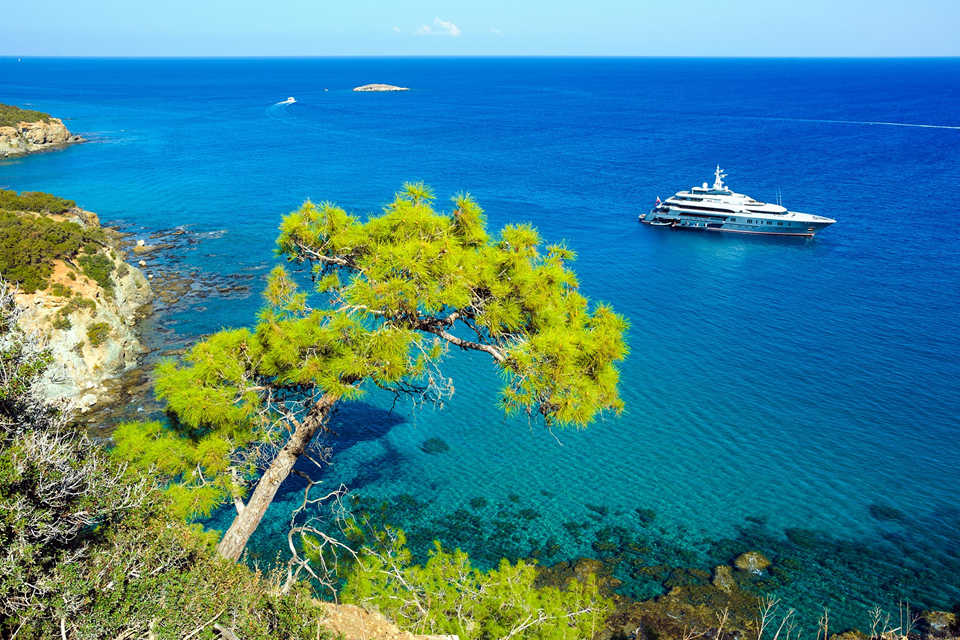
Tradition says that Akamas, son of the hero Theseus, named the cape at the tip of the peninsula after himself, after disembarking there while sailing home from the Trojan War. The peninsula, which is now a national park, has a great diversity of plant and animal life. It is a breeding ground for the monk seal, the green turtle, and the hawk's bill turtle. Avakas gorge, on the western side, has a trail about 2.5 km long, with sheer sides reaching up to 100m high. There are 3 nature trails which take hikers through gorges, valleys, and heights with breathtaking vistas. The peninsula has a wide variety of geological formations.
On the north side of the peninsula, at the end of the paved road from Poli Chrysochous, (7km distant), are the Baths of Aphrodite, a natural grotto pool fed by a small waterfall, where it is said that Aphrodite would bathe after swimming in the nearby sea. The story is that handsome Adonis, taking a break while hunting in the Akamas forest, came to the pool for a drink, saw that bathing Aphrodite, and it was love at first sight. The Aphrodite Nature trail passes nearby.
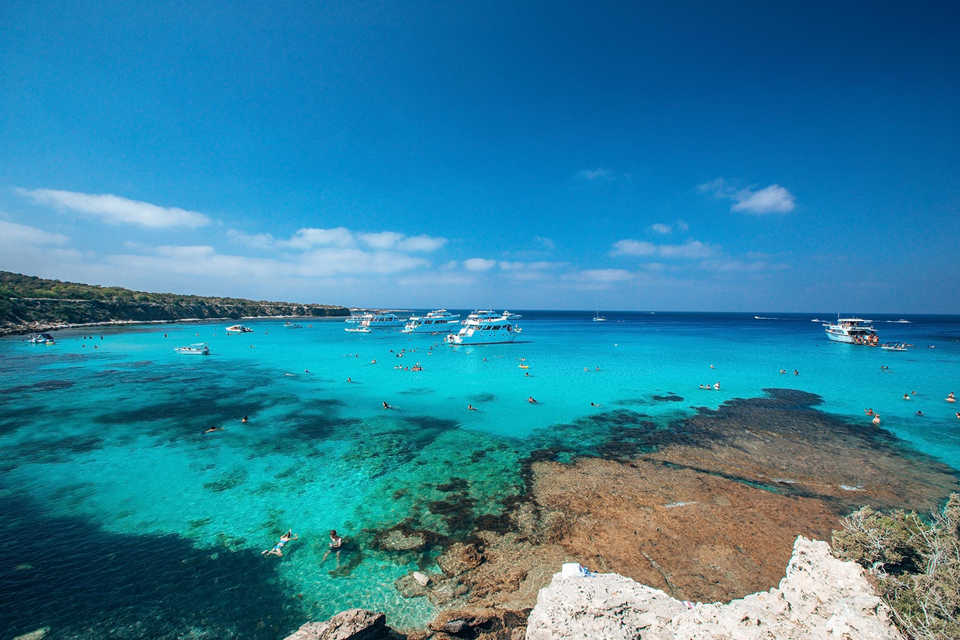
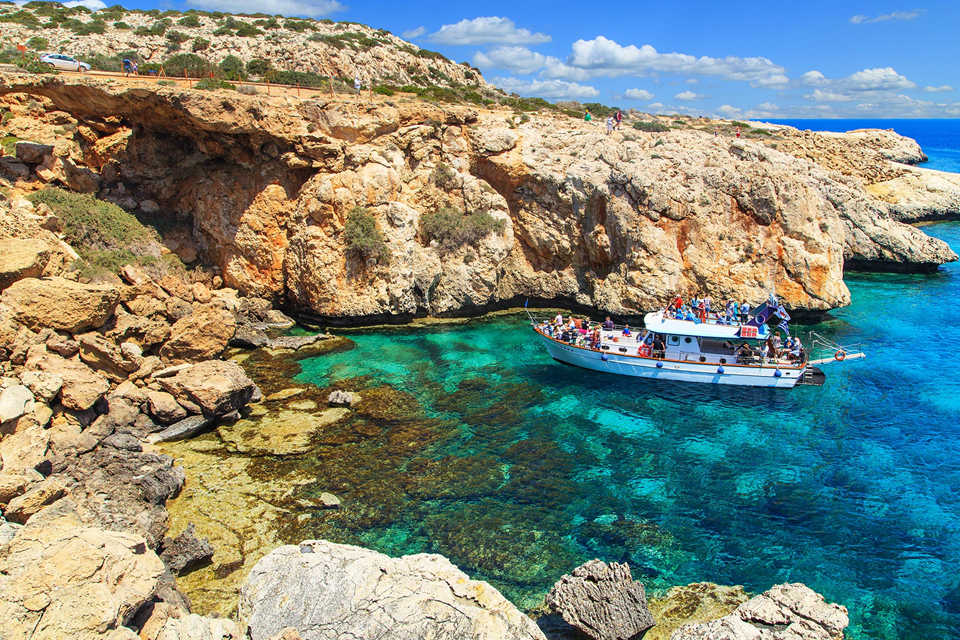
Glass bottom boat tours from Latsi are on offer, stopping off at places like the Blue Lagoon, where passengers can enjoy swimming in the stunning, clear waters.
Chysochous is an ideal place for a quiet getaway. It has nature, history, geology, and swimming. What more could you ask for?